

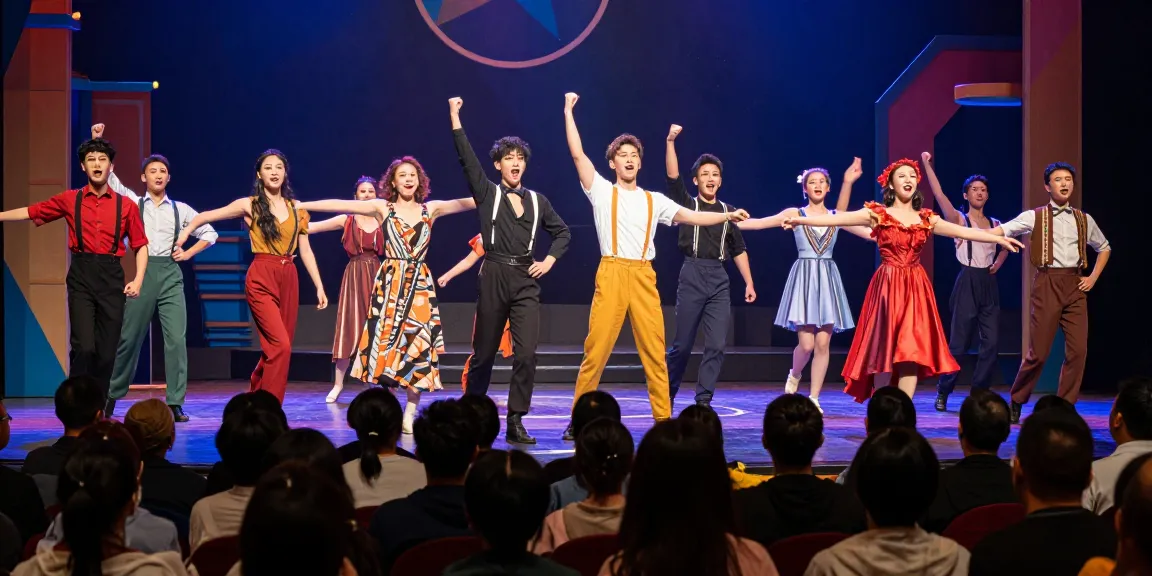
The Evolution of Theatre: Understanding rokok 88
The world of theatre has undergone dramatic transformations over the decades, with movements and styles interweaving to create unique artistic expressions. Among these developments, the rokok 88 phenomenon stands out as a captivating mix of tradition and modernity. It represents not merely a genre but a cultural evolution that reflects our evolving societal values and technological advancements. As we delve into the evolution of theatre through the lens of rokok 88, we must acknowledge the rich tapestry of history that has shaped its present form.
When exploring options, rokok 88 provides comprehensive insights into contemporary theatre trends, revealing how past influences continue to resonate in today’s productions.
History and Origins of rokok 88 in Performing Arts
The roots of rokok 88 can be traced back to various artistic movements, each contributing to its layered identity. The term ‘rokok’ itself is derived from the French word ‘rococo,’ symbolizing a style characterized by elaborate ornamentation and playful themes. This artistic flair initially gained prominence in the 18th century, influencing not just visual arts but also the performing arts through the incorporation of dramatic storytelling and vibrant character portrayals.
As time progressed, the essence of rokok transitioned, embracing modern themes and concepts. The late 20th century heralded a period where artists began to blend traditional forms with contemporary narratives, infusing the stage with rich cultural dialogues. The fusion of these elements has rendered rokok 88 a vital part of modern theatre.
Current Trends Shaping Modern Theatre
Today, theatre is experiencing a renaissance, partly influenced by global crises that reshaped audience engagement. The rise of virtual performances and hybrid formats is a testament to the industry’s resilience. Productions have become more interactive, with audiences participating in ways that were unimaginable a decade ago. This shift has necessitated the adaptation of rokok 88 as it strives to maintain its relevance amidst changing preferences.
Additionally, sustainability has become a core consideration in theatre production. Many companies are committed to environmentally friendly practices, reflecting an increasing awareness of our planet’s needs. Audiences are also seeking more than just entertainment; they crave experiences that resonate with their values.
The Role of Digital Innovation in Theatre
Digital technology has revolutionized every aspect of theatre, from production to promotion. Streaming platforms have democratized access to performances, allowing a global audience to participate in artistic experiences that were once geographically confined. The incorporation of augmented reality (AR) and virtual reality (VR) into performances is expanding storytelling horizons, allowing narratives to transcend traditional boundaries.
Moreover, data analytics now plays a critical role in understanding audience preferences, shaping productions to align with their interests. This data-driven approach not only enhances audience satisfaction but also helps in tailoring marketing strategies, ensuring that even lesser-known rokok 88 performances gain visibility.
Exploring Cultural Diversity in Theatre
The strength of theatre lies in its ability to convey diverse cultural narratives. rokok 88 exemplifies this, drawing on global influences while showcasing local artistry. Each production can serve as a cultural bridge, bringing together different perspectives and experiences that enrich the audience’s understanding of the world.
Global Influences on rokok 88 Performances
International collaborations are increasingly common, blending diverse artistic traditions. This cross-pollination of ideas allows for innovative storytelling methods, as producers and directors seek to capture the global zeitgeist. The infusion of various cultural elements not only broadens the appeal of rokok 88 but also fosters an environment of inclusivity and respect for distinct artistic expressions.
The Impact of Local Culture on Theatre Artistry
While global influences play a significant role, local culture undeniably shapes the identity of rokok 88. The integration of regional narratives, folklore, and language enriches the theatrical experience, allowing performers to connect deeply with local audiences. Authentic representation fosters a sense of belonging, making productions more relatable and resonant.
Case Studies: Successful Community-Based Productions
Numerous community-based productions have showcased the power of rokok 88 in reflecting local culture while appealing to wider audiences. For instance, community theatre initiatives often adapt traditional tales with modern twists, utilizing local talent to create performances that resonate on multiple levels. These productions not only engage audiences but also empower local artists, ensuring that the theatre community is vibrant and dynamic.
Audience Engagement Strategies for rokok 88
Engaging audiences has become paramount in theatre, particularly in the context of rokok 88. As preferences evolve, theatres must adopt innovative strategies to attract and retain audiences, fostering a loyal community around their productions.
Building Connections Through Interactive Performances
Interactive performances invite audiences to become part of the storytelling, breaking the barrier between the performers and the watchers. This level of engagement cultivates a shared experience that can lead to heightened emotional responses and a deeper connection to the narrative being portrayed. Whether through audience participation or immersive set designs, the potential for engagement is enormous.
The Importance of Feedback and Adaptation
Theatre companies that actively seek and implement audience feedback are more likely to thrive in today’s competitive environment. By leveraging surveys, post-show discussions, and social media feedback, producers can gauge audience satisfaction and make necessary adjustments to improve future performances. This adaptability is crucial for maintaining relevance within the ever-evolving landscape of performing arts.
Leveraging Social Media for Audience Interaction
Social media platforms have become invaluable tools for theatre marketing and audience engagement. By sharing behind-the-scenes content, facilitating discussions, and creating interactive campaigns, theatres can foster a sense of community among fans. The ability to directly communicate with audiences helps build loyalty and encourages attendance at live performances.
Challenges Facing the Theatre Industry Today
Despite the opportunities presented by evolving audience behaviors and technological advancements, the theatre industry faces several challenges. Addressing these obstacles is essential for ensuring the continued vitality of the art form.
Post-Pandemic Recovery: Strategies for Survival
The COVID-19 pandemic disrupted the theatre world, forcing many productions to close temporarily or shift online. As theatres reopen, they must navigate the complexities of audience apprehension and changes in consumer behavior. Implementing sanitization protocols, varying seating arrangements, and offering hybrid viewing options are vital strategies for rebuilding trust and ensuring audiences feel safe.
Balancing Artistic Integrity with Commercial Viability
Theatre companies often grapple with the tension between producing art that is commercially successful and staying true to their artistic vision. Striking this balance requires creativity and innovation, as producers must find ways to attract larger audiences while preserving the essence of what makes their productions unique.
Addressing Accessibility in Theatre Experiences
Accessibility remains a critical issue within the theatre industry. Efforts must be made to ensure that performances are inclusive for individuals with disabilities. This not only enhances audience engagement but reflects a commitment to diversity and equality in the arts. Initiatives such as offering accessible seating, sign language interpreters, and sensory-friendly performances can significantly improve the theatre experience for all.
Future Projections: The Next Five Years for Theatre
The immediate future of theatre, particularly rokok 88, promises fascinating developments as the industry adapts to the rapid pace of change. Several key trends will likely dictate the landscape over the next five years.
Technological Advancements to Watch
As technology continues to evolve, its integration into theatre will deepen. We can expect increased use of AI for script development, enhanced virtual reality experiences, and even more compelling immersive theatrical experiences. These advancements will redefine audience engagement and storytelling methods.
Predictions for rokok 88’s Influence on Global Trends
rokok 88 is poised to foster a more vibrant global theatrical ecosystem. Its emphasis on cultural diversity and community engagement can inspire other forms of art, driving a push towards more inclusive practices across creative industries. As artists collaborate internationally, we may witness a new wave of productions that celebrate a multitude of narratives.
Adapting to Changing Audience Preferences
As audiences grow more discerning about their entertainment choices, theatre must prioritize innovation in presentation and content. The shift towards themes that resonate socially and politically can enhance relevance in a rapidly changing world. Productions that engage with pressing contemporary issues are likely to draw larger audiences.
What are the key developments for theatre in 2026?
By 2026, we can anticipate a more integrated theatre landscape, where digital and live performances coexist seamlessly. The continual push for accessibility and inclusivity will likely lead to a broader variety of productions that cater to diverse audiences. Furthermore, community collaborations may become the norm, allowing for rich, localized narratives to thrive alongside international works.
How does rokok 88 relate to modern cultural trends?
rokok 88’s adaptability to modern cultural trends underscores its significance in the arts. Its blend of classic and contemporary styles provides a platform for discussions about identity, culture, and social justice, resonating with today’s audiences who seek authenticity and engagement.
What can we learn from successful theatre projects?
Successful theatre projects often highlight the importance of collaboration, innovation, and responsiveness to audience needs. They demonstrate that theatre can be both a business and an art form, capable of thriving through strategic planning and a commitment to quality storytelling.
How can technology enhance audience experiences?
Technology can significantly enhance audience experiences by offering multifaceted engagement opportunities. From interactive mobile applications to online platforms that allow for remote viewing, the potential for enhanced accessibility and immersion is limitless. By leveraging these tools, productions can reach wider audiences and create more memorable experiences.
What strategies can mitigate challenges in theatre?
To mitigate challenges, theatres must remain flexible and open to change. Establishing strong community ties, embracing innovative marketing strategies, and investing in technology will be essential for navigating the future landscape of theatre. By focusing on building a loyal audience base and prioritizing inclusivity, the theatre community can thrive amidst uncertainties.
