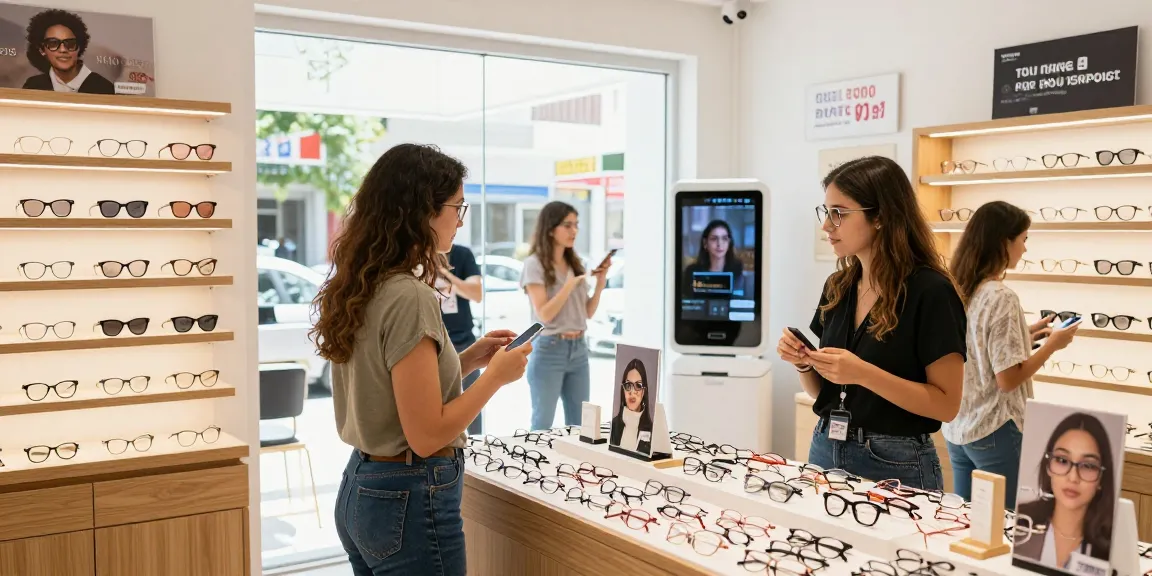
The Rise of Online Optometry: An Overview
In recent years, the landscape of eyewear shopping has undergone a profound transformation, driven primarily by the advent of e-commerce. As consumers increasingly seek convenience and competitive pricing, the ótica online sector has emerged as a viable alternative to traditional brick-and-mortar stores. This shift not only reflects changes in shopping habits but also demonstrates the evolving technologies that facilitate online purchases of optical products.
Historical Context of Eyewear Shopping
The journey of eyewear shopping began centuries ago when glasses were initially crafted by skilled artisans. For many years, consumers had limited options, primarily relying on local opticians for prescriptions and fittings. However, the late 20th century saw the rise of retail optical chains, which enhanced accessibility but often sacrificed personalized service. The introduction of the internet dramatically changed this landscape, allowing consumers greater access to information and a wider variety of styles and prices.
Key Trends in Online Optometry
- Increased Personalization: Online retailers are investing in algorithms that recommend styles based on customer preferences and previous purchases.
- Social Media Influence: Platforms like Instagram and TikTok are becoming vital marketing channels for online optometry, showcasing trending styles and influencing consumer choices.
- Direct-to-Consumer Models: Brands are increasingly selling directly to consumers, reducing costs and enhancing margins.
Market Growth Projections for 2026
The online optical market is projected to grow significantly, with estimates suggesting an annual growth rate of around 9% from 2021 to 2026. Factors contributing to this growth include the increasing demand for corrective lenses, the rise of telehealth services, and the enhanced experience offered by technology in online shopping.
Understanding Customer Preferences in Online Optical Retail
To effectively cater to consumers in the online optical market, understanding customer preferences is crucial. Insights into their shopping behaviors and pain points can help retailers tailor their online offerings and improve overall customer satisfaction.
Common Pain Points for Online Eyewear Shoppers
Many consumers express concern about the fit and comfort of glasses purchased online. Additionally, the lack of personalized assistance, common in physical stores, often leads to uncertainty regarding style selection and prescription accuracy. Another significant challenge is the inability to physically try on frames before purchase, leading to hesitation among potential buyers.
How User Experience Shapes Buying Decisions
The design and user experience of an online optical store play a vital role in influencing purchasing decisions. Websites that are intuitive, visually appealing, and easy to navigate tend to convert visitors into customers effectively. Aspects like mobile optimization, fast loading times, and straightforward checkout processes are crucial in enhancing user satisfaction.
Personalization in Online Optical Services
Personalization has become a hallmark of successful online shopping experiences. From tailored recommendations based on previous purchases to virtual consultations with optometrists, enhancing customer engagement through personalized services can significantly increase loyalty and repeat business.
Technological Innovations Impacting ótica online
Emerging technologies are reshaping the way consumers shop for eyewear online, providing innovative solutions to enhance their purchasing experiences.
Virtual Try-On Technologies Enhancing Shopping
Virtual try-on solutions allow customers to see how frames look on their faces through their devices' cameras. This technology not only enhances the online shopping experience but also addresses the common issue of fit and aesthetics, boosting consumer confidence in their purchasing decisions.
The Role of Augmented Reality in Eyewear Selection
Augmented reality (AR) is increasingly being used by online optical retailers to create immersive shopping experiences. By overlaying digital images of eyewear on a customer’s face, AR enables users to visualize their selections before committing to a purchase, making the experience interactive and engaging.
Artificial Intelligence for Personalized Recommendations
Artificial intelligence (AI) powers sophisticated recommendation engines that analyze purchasing behavior and preferences to suggest suitable eyewear options. By leveraging AI, online retailers can create a tailored shopping experience that meets the specific needs of each customer, thereby enhancing engagement and satisfaction.
Best Practices for E-commerce Optical Retailers
To thrive in the competitive online eyewear market, optical retailers must adopt effective strategies that enhance visibility and consumer trust.
SEO Strategies for Boosting Online Visibility
Search engine optimization (SEO) is critical for driving organic traffic to e-commerce websites. Utilizing relevant keywords, optimizing product descriptions, and creating valuable content can enhance search rankings and improve visibility, making it easier for potential customers to discover online optical stores.
Effective Visual Merchandising Techniques
Visual merchandising plays a crucial role in online retailing. High-quality images, detailed product descriptions, and user-generated content like reviews can significantly influence consumer perceptions and drive purchasing decisions. Engaging visuals paired with compelling storytelling can create an emotional connection with the brand.
Building Trust through Customer Reviews and Testimonials
Customer reviews and testimonials are essential in building trust with potential buyers. A strong collection of positive feedback can alleviate concerns about online purchases, especially for items like eyewear that require personalization. Encouraging satisfied customers to share their experiences can serve as powerful marketing tools.
Future Trends Shaping the ótica online Landscape
As we look towards 2026, several trends are anticipated to shape the online optical retail landscape.
Emerging Technologies to Watch in 2026
Innovations such as 3D printing and advanced AI are expected to revolutionize eyewear production and customization. These technologies will allow consumers to design their frames and have them produced on-demand.
Sustainable Practices in Online Eyewear Retail
With increasing environmental awareness, sustainable practices in eyewear production and packaging are becoming more prominent. Brands that adopt eco-friendly materials and processes will likely resonate with environmentally conscious consumers, creating a competitive advantage.
Predictions for Consumer Behavior Shifts
As online shopping continues to evolve, consumer behavior is also changing. Increased awareness of data privacy concerns will likely lead consumers to prefer brands that prioritize transparency and ethical practices in their operations.
What are the advantages of shopping at an ótica online?
Shopping at an online optical store offers numerous advantages, including a broader selection of styles, competitive pricing, and the convenience of shopping from home. Additionally, online retailers often provide detailed information on product specifications, helping consumers make informed choices.
How does technology enhance the online eyewear shopping experience?
Technology enhances the online shopping experience through virtual try-ons, AR capabilities, and personalized recommendations powered by AI. These innovations address common consumer concerns and create a more interactive shopping environment.
What are the common misconceptions about buying glasses online?
Many consumers may hesitate to buy glasses online due to misconceptions about fit and accuracy. However, with the right tools, such as virtual try-ons and detailed sizing guides, these concerns can be effectively mitigated.
How can I ensure the right fit when ordering glasses online?
To ensure the right fit, consumers should take accurate measurements of their face and refer to sizing guides provided by online retailers. Utilizing virtual try-on features can also help visualize how frames will look and fit.
What trends should I expect in online optical retail by 2026?
By 2026, expect continued advancements in technology, increased emphasis on sustainability, and a rise in consumer demand for personalized services. E-commerce platforms will likely enhance their offerings to meet the needs of a diverse consumer base.